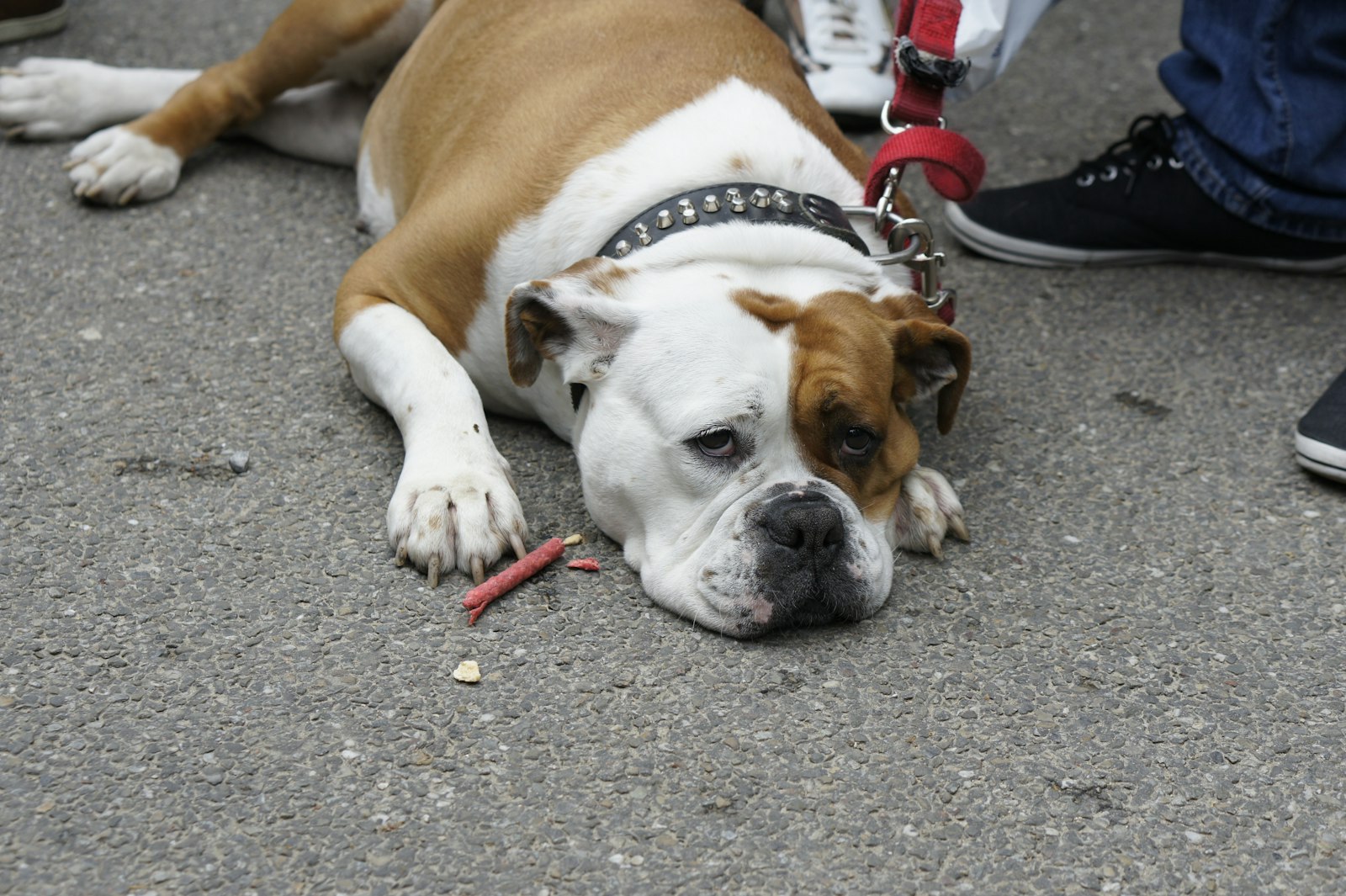
Dog Boarding in Antioch: What Happens If Your Dog Gets Injured at a Boarding Facility
Most people do not book dog boarding because they expect a problem. They book it because they need reliable care while they travel, work, or handle family obligations. Still, one of the smartest questions to ask before a stay is this: what happens if your dog gets injured at a boarding facility?
That matters in Antioch just as much as anywhere else. Whether your dog is staying one night or a full week, a boarding facility should already have a plan for injuries, illness, and other urgent situations. Not every scrape or sore paw can be prevented, especially in a new environment, but the response matters. Staff should notice the problem quickly, take the right next step, and tell you what is going on without making you chase answers.
What a boarding facility should do right away
If a dog is limping, bleeding, yelping, vomiting repeatedly, acting disoriented, or clearly in pain, staff should step in quickly. That usually means separating the dog from the group, keeping things calm, and deciding whether the situation calls for basic first aid, close observation, a regular vet visit, or emergency care.
A good facility does not brush off those signs as normal boarding stress. Even something that looks minor at first can get worse if nobody acts on it.
Some injuries are minor, others are not
Not every boarding injury is severe. Some dogs come home with a small scrape, a sore nail, a paw pad irritation, or a mild strain from overdoing it during play. Other cases are more serious, such as bite wounds, falls, overheating, collapse, repeated vomiting, or a sudden medical issue that was not obvious at drop-off.
What sets a well-run boarding facility apart is not the promise that nothing will ever happen. It is whether the team recognizes a problem, documents it, and responds without unnecessary delay.
You should expect prompt communication
If your dog is hurt during a stay, the facility should contact you promptly unless you gave clear written instructions for emergency decisions when you cannot be reached. They should be able to explain what happened, or what is known so far, when staff first noticed the issue, what symptoms your dog showed, what they did immediately, and whether a veterinarian was contacted.
Clear communication matters. Facilities that handle incidents well usually do not become vague when something goes wrong. They can walk you through the timeline and show that they took the situation seriously.
Why the intake paperwork matters
The emergency plan often starts before the stay begins. Many boarding facilities ask for your regular veterinarian, an emergency contact, vaccination records, medication instructions, and permission to seek treatment if they cannot reach you right away.
That paperwork can feel routine, but it becomes very important if your dog needs urgent care. If a facility seems casual about emergency contacts, cannot explain where an injured dog would be taken, or does not ask who can authorize treatment, that is worth noticing before you book.
An injury does not always mean negligence
Dogs can trip, collide during play, aggravate an old issue, or react unpredictably in a new setting. So an injury during boarding does not automatically mean the facility was careless.
At the same time, owners should not assume every injury is just bad luck. If a facility seems overcrowded, short-staffed, careless about how dogs are grouped, inconsistent about supervision, or reluctant to answer direct questions afterward, those are fair concerns. A responsible operation should have clear supervision, playgroup, cleaning, and escalation procedures that reduce risk rather than add to it.
Questions Antioch dog owners should ask before booking
If you are comparing dog boarding options in Antioch, practical questions will tell you a lot:
- Who monitors dogs during playtime?
- Are dogs grouped by size, energy level, and temperament?
- What happens overnight, and are staff on site after hours?
- What is the protocol if a dog gets hurt and the owner does not answer the phone?
- Which veterinary clinic or emergency hospital do they use if needed?
A trustworthy facility should be able to answer those questions clearly, without sounding evasive or irritated.
What to do if your dog comes home injured
Start by documenting what you see. Take photos of visible injuries, note limping or unusual behavior, keep any discharge notes from the veterinarian, and write down what the boarding facility told you while the details are still fresh.
If the injury seems significant, getting your dog examined should come before arguing about fault. Once your dog is safe, ask the facility for a written incident report, a timeline, and an explanation of how the issue was handled.
When the explanation raises more questions
Sometimes the answer is straightforward. A facility may explain that your dog got a minor scrape during supervised play, staff cleaned it, contacted you, and recommended follow-up if needed.
In other situations, the explanation may feel incomplete. If nobody can explain when the injury happened, whether your dog was supervised, or why communication was delayed, that can point to weak procedures. You do not have to assume the worst, but you do have every right to ask for a clear account.
Medical care and legal responsibility are not the same thing
If a dog is seriously injured, owners sometimes wonder whether the boarding facility should pay the veterinary bills. That can depend on the boarding agreement, any liability waiver you signed, the facts of the incident, and whether the facility acted reasonably.
Some contracts try to limit responsibility, but waivers are not always absolute. That is one reason it helps to read the agreement before the stay instead of signing it quickly at the front desk. If a serious injury leads to major expense or you believe the facility acted recklessly, it may be worth speaking with a California attorney. This article is not legal advice, but it is a reminder that the paperwork matters.
A safer stay usually starts before check-in
The best time to think about emergencies is before your dog ever spends the night away from home. Safer boarding usually starts with a facility that asks detailed intake questions, seems calm rather than chaotic, separates dogs thoughtfully, explains how it handles injuries, and treats communication as part of good care.
A short trial stay can also help. One overnight visit may tell you a lot about how your dog handles the environment before you commit to a longer booking.
The bottom line
No boarding facility can honestly promise that nothing will ever go wrong. What Antioch dog owners should look for is a provider with a real emergency plan, sound judgment, clear procedures, and the willingness to tell you the truth quickly if your dog needs help.
If you are looking at dog boarding in Antioch, ask direct questions now while you still have options. It is much easier to judge a facility by its emergency process before a stay than to sort through confusion after an injury has already happened.